FUTURE FRAMES

Future Frames is a curated exhibition that showcases posters and short videos addressing social, cultural, and environmental issues/resolutions related to the growing presence of AI in our lives. As part of the University of Maryland’s Arts for All initiative, this exhibition celebrates interdisciplinary collaboration, community engagement, and the creative possibilities of human-machine partnerships. My poster project has been selected as one of the finalists for the show.

  • October 13-31, 2025 // Herman Maril Gallery (University of Maryland).

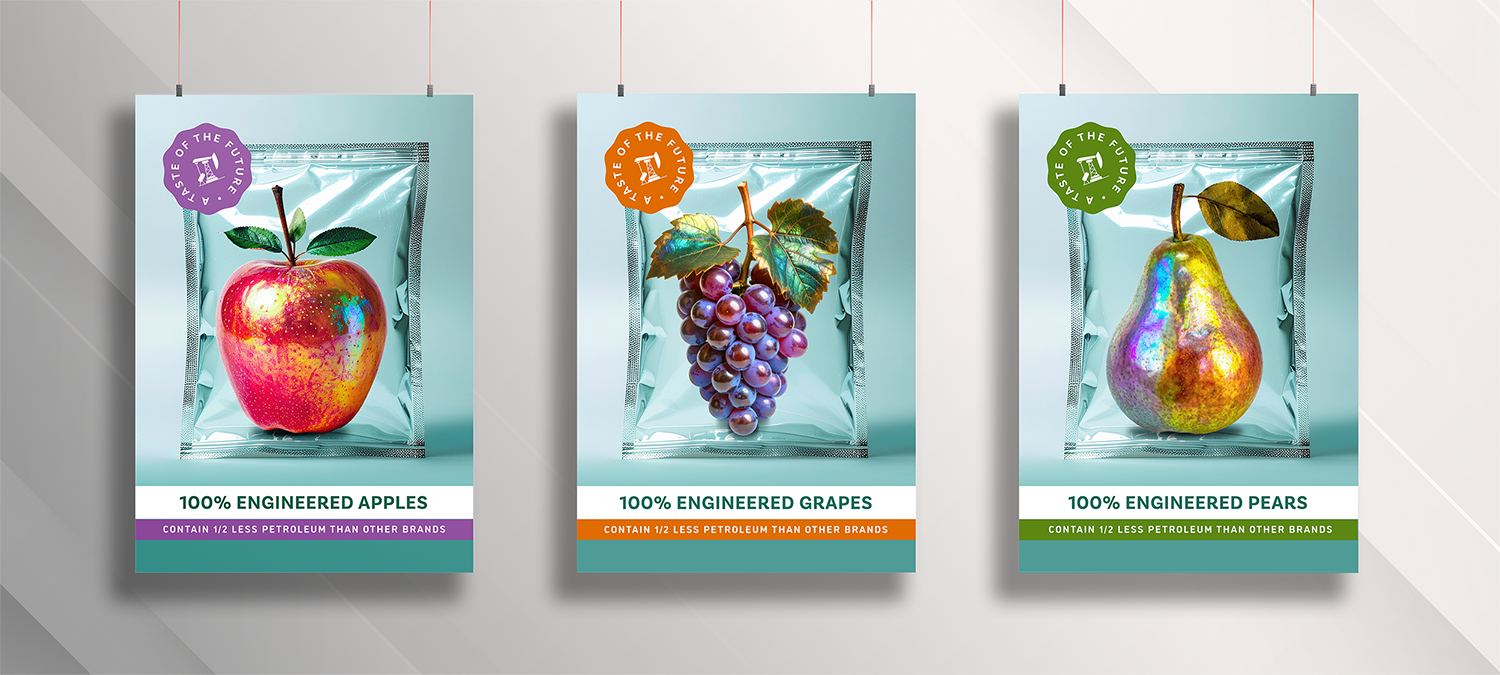
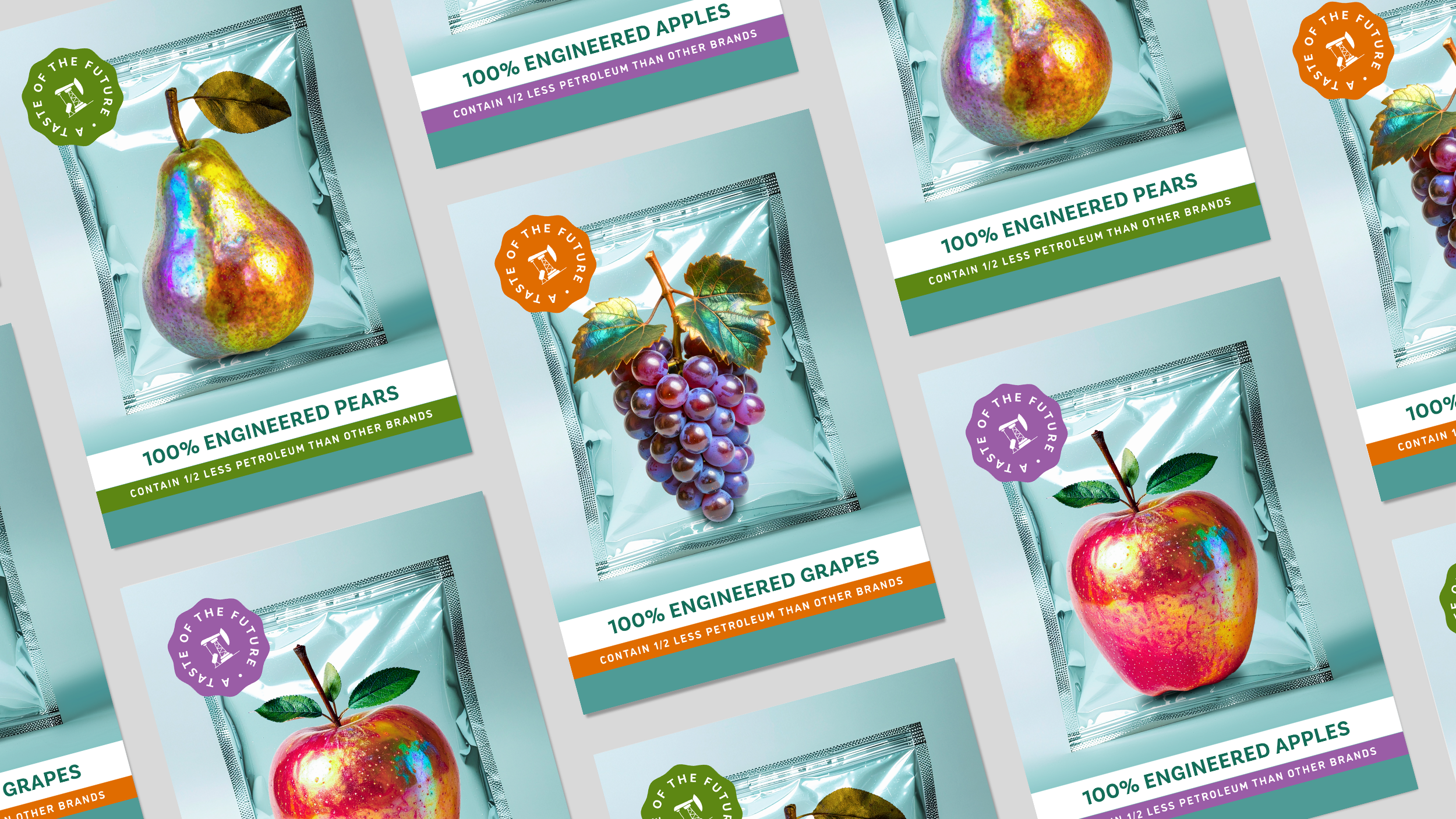
Presented at the University of Maryland, my poster series explores what grocery marketing campaigns may look like in the near future.

People have concerns about food safety because of bioengineered produce, pesticides, and artificial food wax. AI technology could help reduce these risks and improve safety throughout the supply chain. It can also help food scientists create new products by analyzing large amounts of data on consumer preferences and ingredient combinations.

However, using opaque and unaccountable AI algorithms in food production can erode consumer trust in the food system. Genetically modified fruits and vegetables have raised questions about creating new allergens. Will the food we eat become more toxic and harmful?

Chocolate Dreams

1

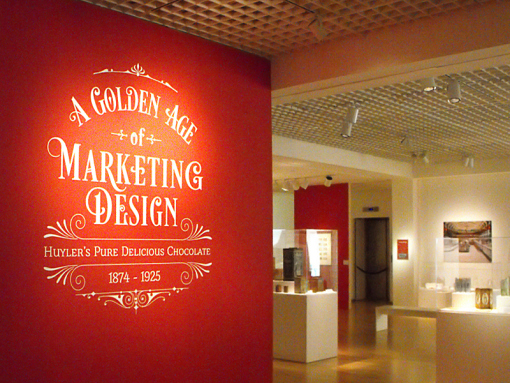
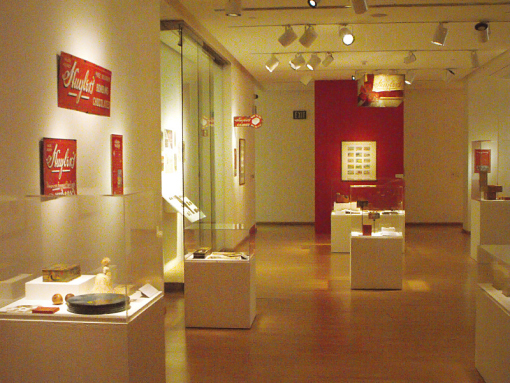
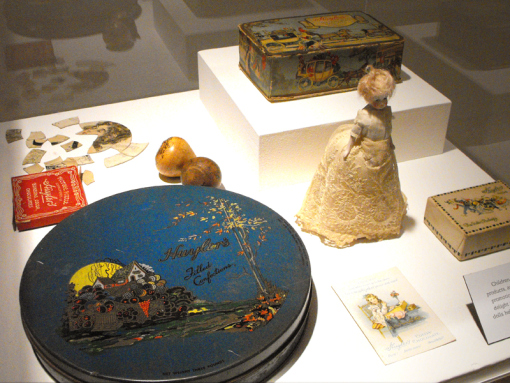
Vintage cocoa tins, chocolate boxes, trading cards, magazine ads, promotional fans and shop signs… This charming exhibition at the Mingei Museum (San Diego) tells us the story of a company that was, for years, the largest and most prominent chocolate maker in the U.S.


Huyler’s, Inc. was the first confectioner in the United States to employ large-scale advertising to market its products. The use of illustrated trade cards and beautiful containers allowed the company to become market leader in America during its first fifty years.

2

John S. Huyler was conscientious and thoughtful candy maker. From humble beginnings he had created an enormous and very successful business.

7

A customer would first choose a container he or she wished to purchase, and then hand-pick a selection of chocolates with which to to fill it. Huyler’s, Inc. was one of the first American confectioners to employ artists to design beautiful boxes and tins. Some customers even collected them.

11

Late Victorian and early 20th century Americans used certain flowers to convey specific romantic messages. That’s why various floral designs were very popular.

8

Many clever designs were used in creating containers for Huyler’s candies. My favorites are a pocket watch and a leather suitcase…

6

Children were a natural target market for Huyler’s products. Boxes shaped as dolls held hidden candies while wooden puzzles and storybooks created added excitement. 

3

The period of the late 19th century and early 20th century was the first time in American history when women began to have their own voice outside the home. Portraits of contemporary women were featured on candy boxes, fans and even small pocket mirrors.

4

Collecting trade cards became so popular that Huyler’s printed special albums for the purpose.

12

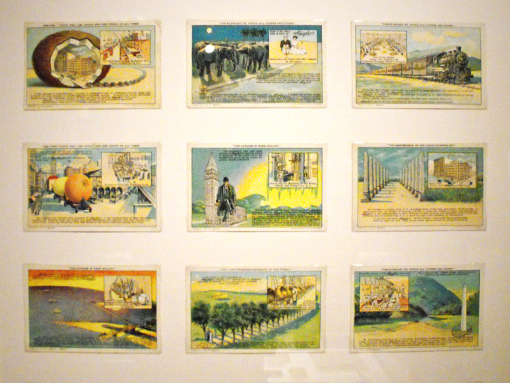
Placed in boxes of Huyler’s chocolates and handed out freely to customers, lithographed trade cards were a popular and successful means of advertising in the late 19th century. 

13

At a time when most Americans could not afford buying fine art for their homes,  these colorful cards rapidly became collectors’ items, ending up in frames and albums.

10

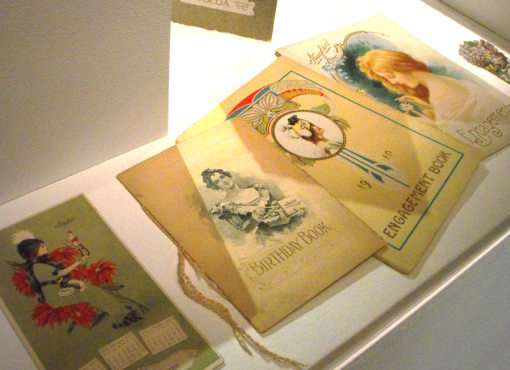
Various promotional products included brochures, calendars, as well as birthday and engagement books.

9

Huyler’s promo products and trade cards were distributed throughout the United States and Canada by thousands of sales agents.  

5

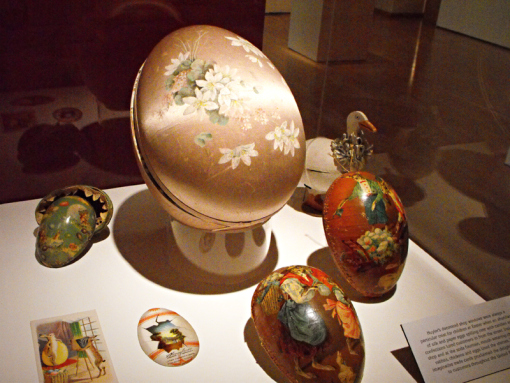
Decorated shop windows were always a particular treat for children at Easter, when an abundance of silk and paper eggs spilling over with candies and chocolate lured customers in from the street.