
Festive Flavors

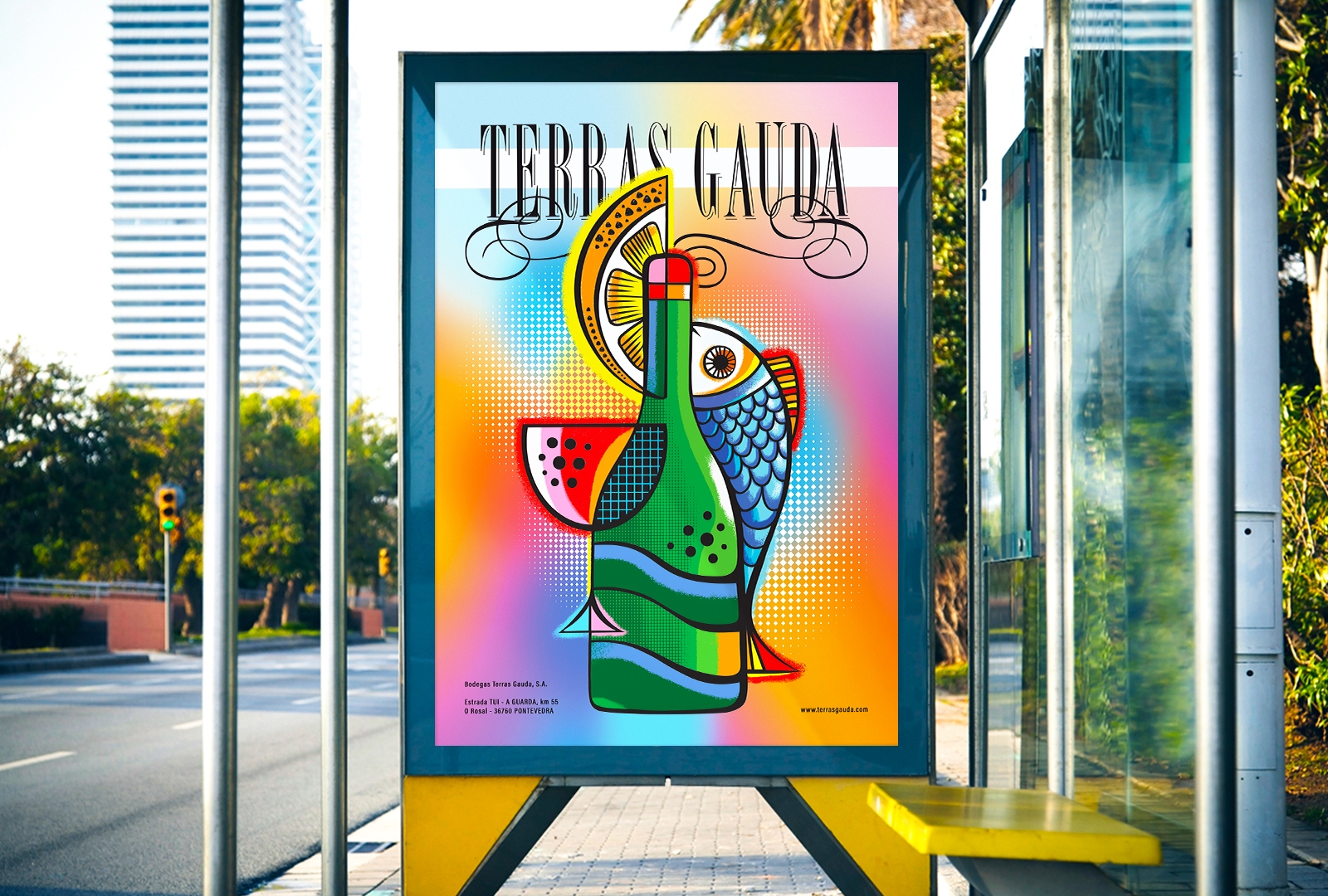
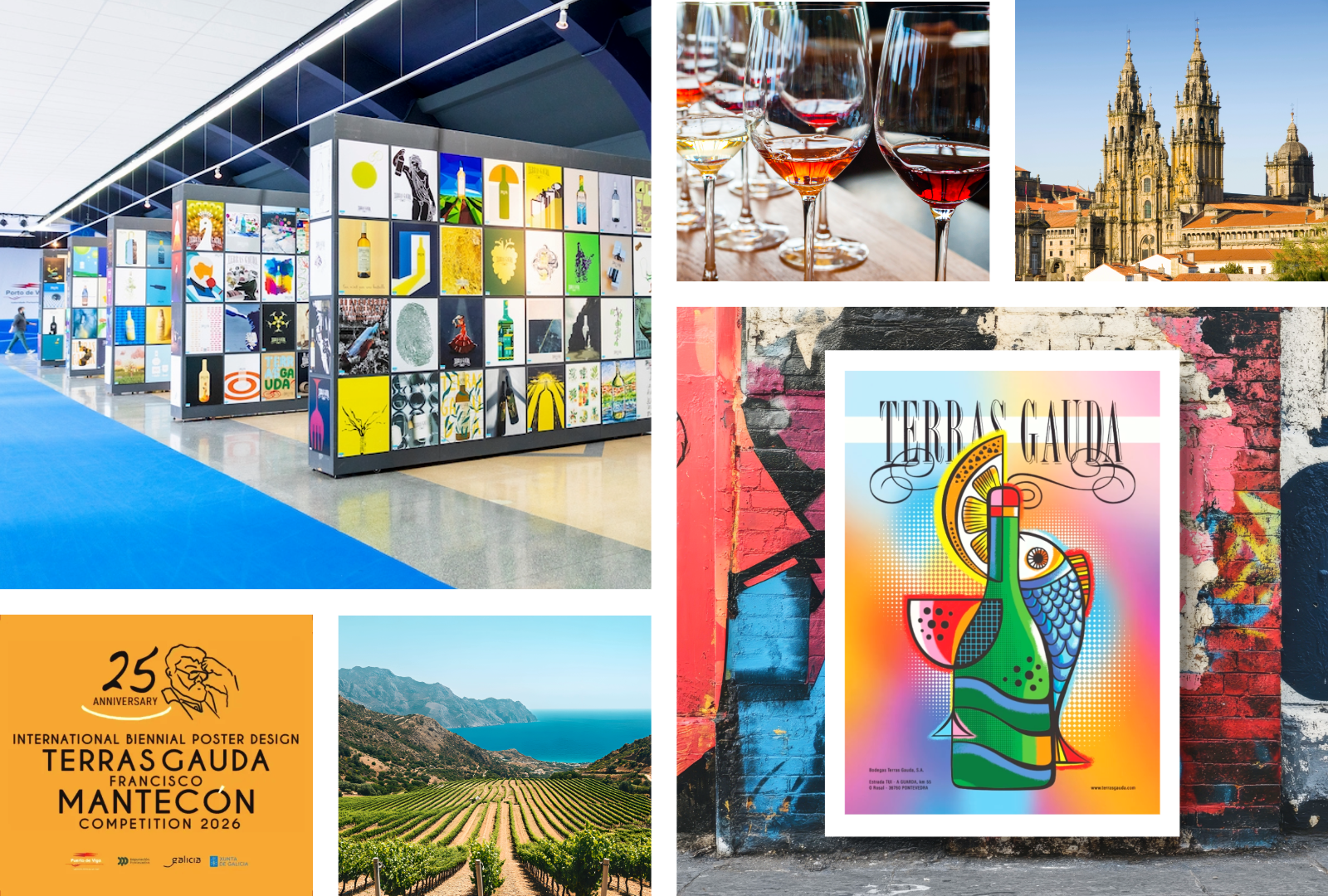
The Terras Gauda international poster design biennial is celebrating its 25th anniversary. Since 2001, it has been recognized as a significant event in the global design calendar, created to promote excellence, creativity, and innovation in contemporary poster design.


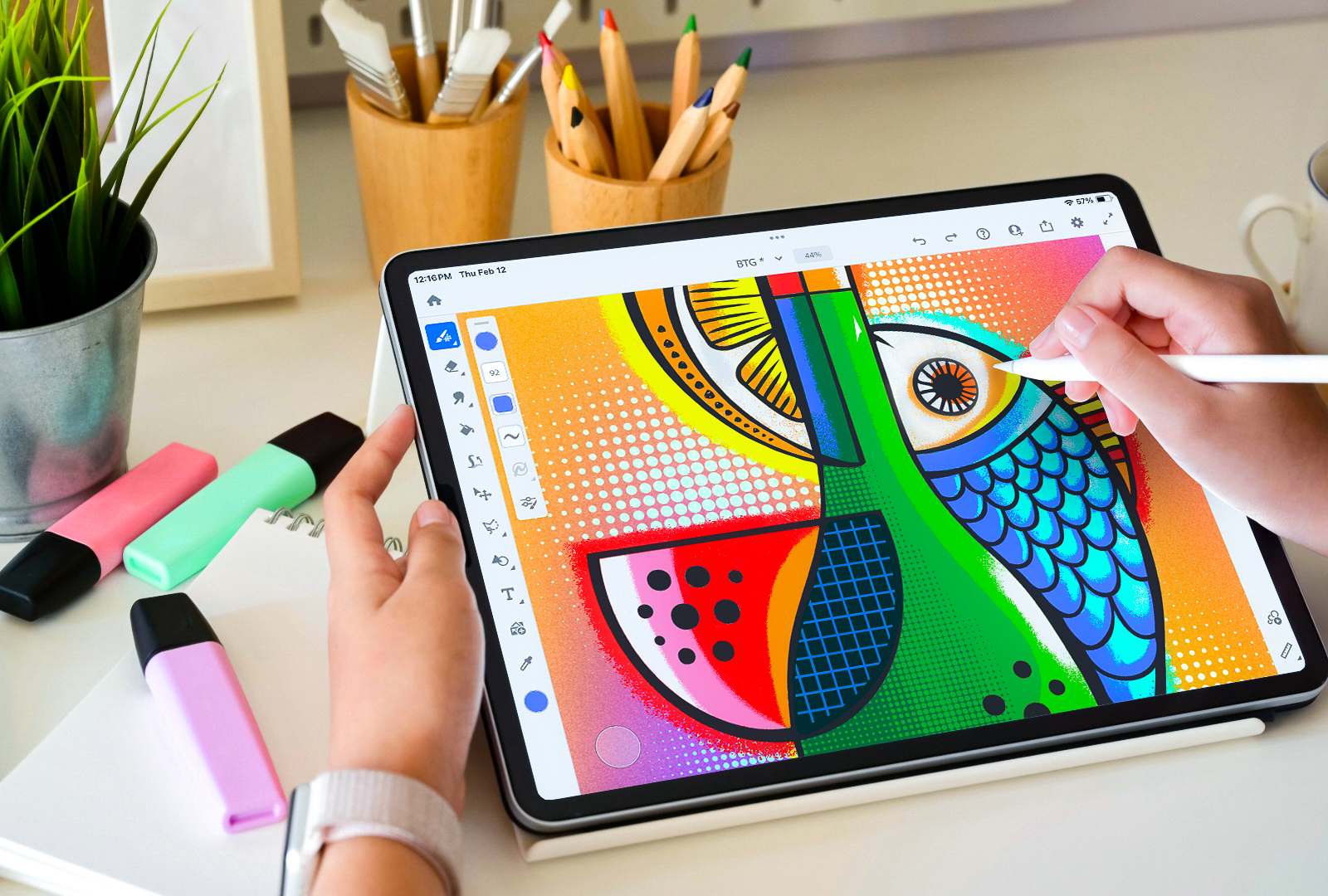
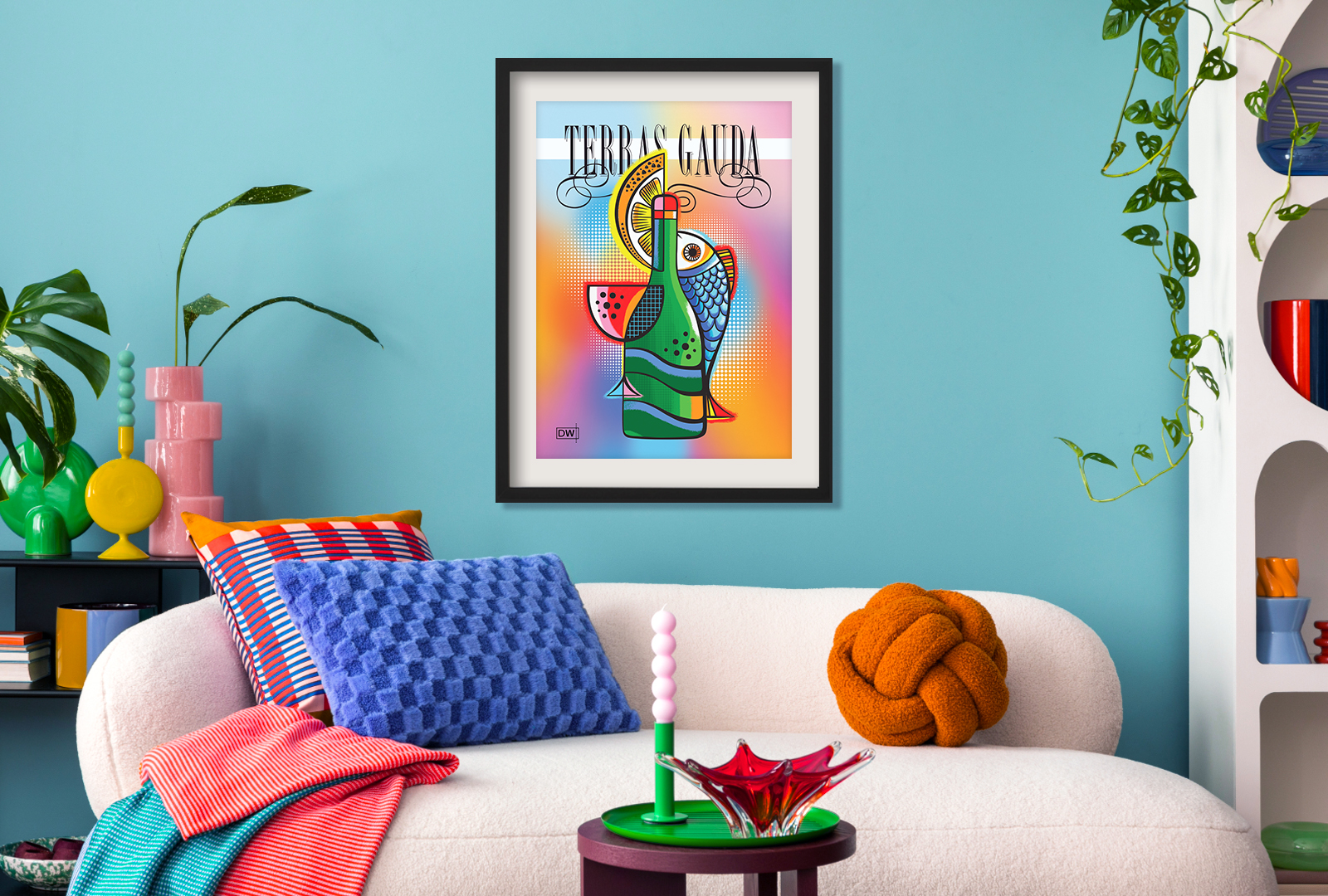
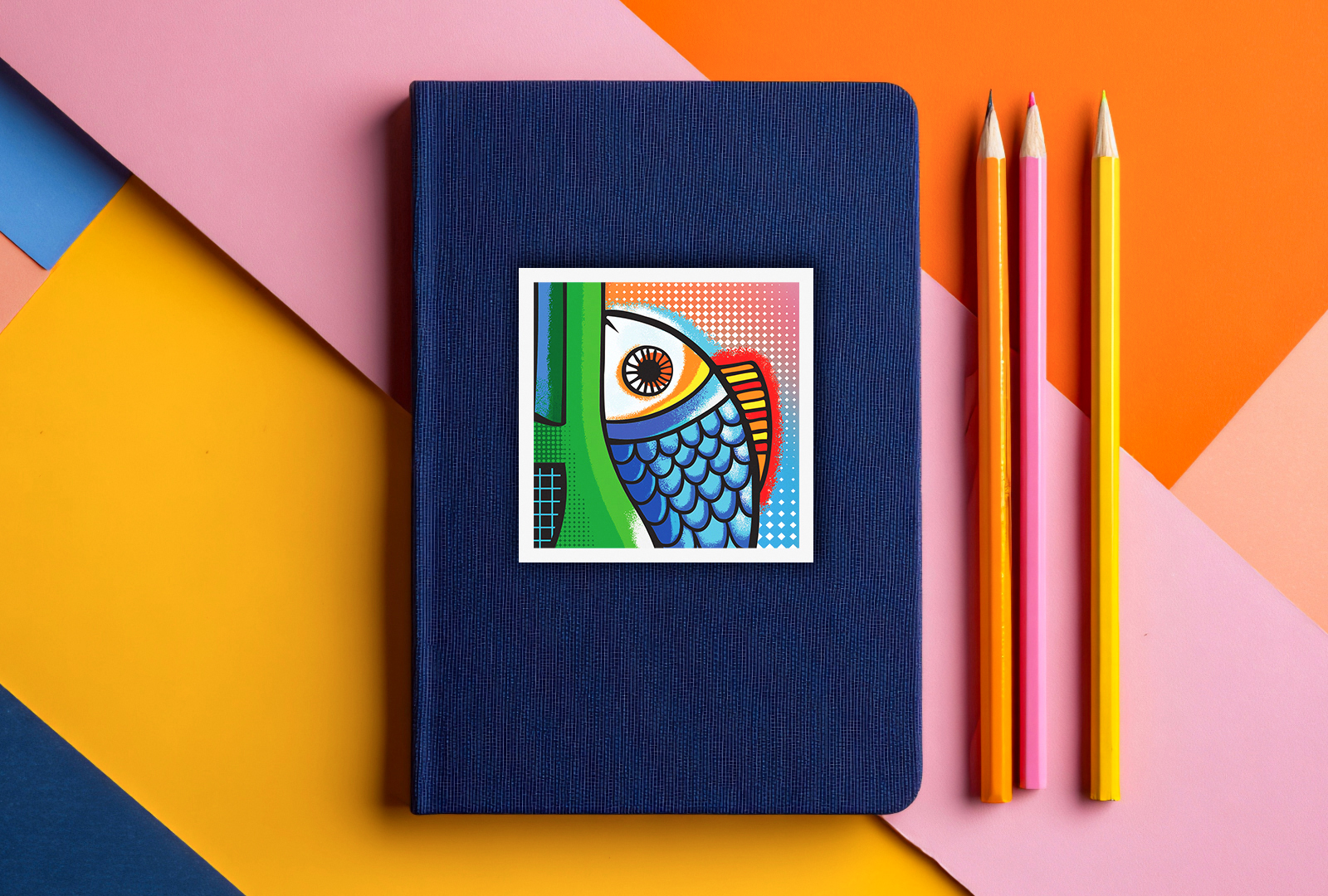
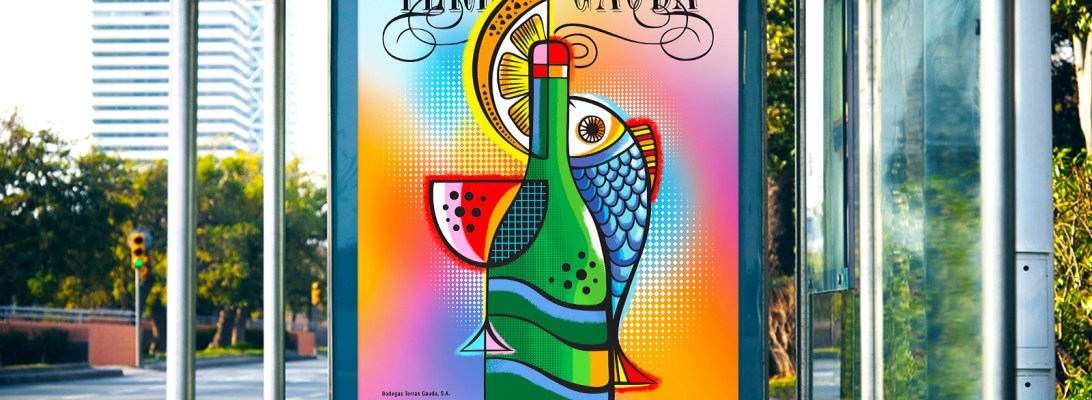
Currently on display at the Maritime Station in Vigo, this vibrant poster perfectly captures the joyful spirit of Spain’s rich culinary heritage. Its festive colors and dynamic, pop-art-inspired style reflect the warm climate and lively culture of the Galicia region, known for its coastal seafood, crisp Albariño wines, and strong maritime traditions. By combining playful imagery of a fresh blue fish, vivid citrus fruits, and a stylized glass along with the iconic green bottle, the design beautifully connects Galicia’s famous oceanic spirit with the region’s artisanal winemaking traditions and local food festivals.

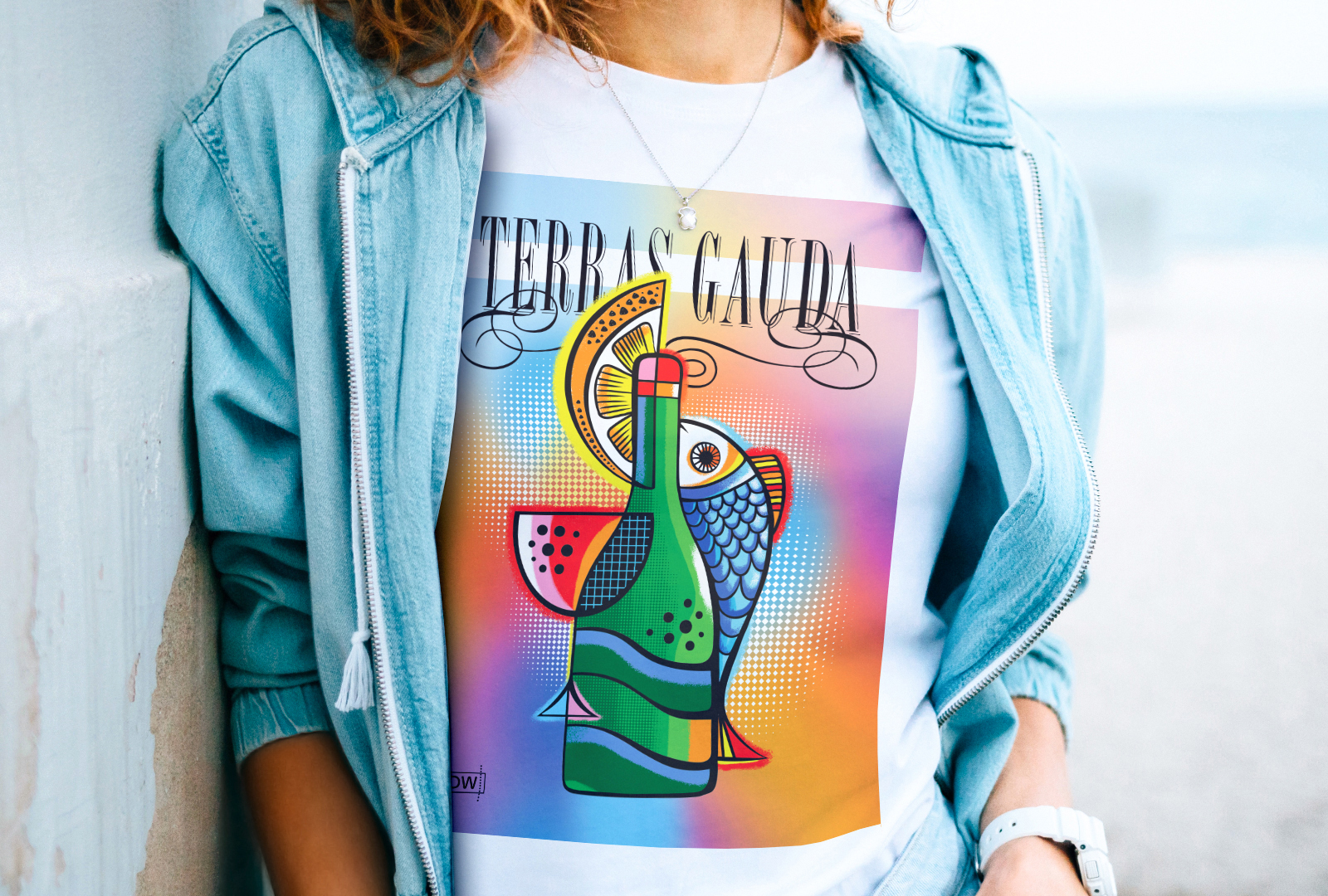
This artwork has the potential to be transformed into various unique merchandise products, providing a great opportunity for exhibition visitors to collect these art-inspired items.

The exhibition is open every day of the week until June 3.

  • 11:00 am – 2:00 pm, 6:00 pm – 9:00 pm
  • Rúa de Cánovas del Castillo, 5, 36202 Vigo, Pontevedra, Spain
Creative Quarterly, Issue 69

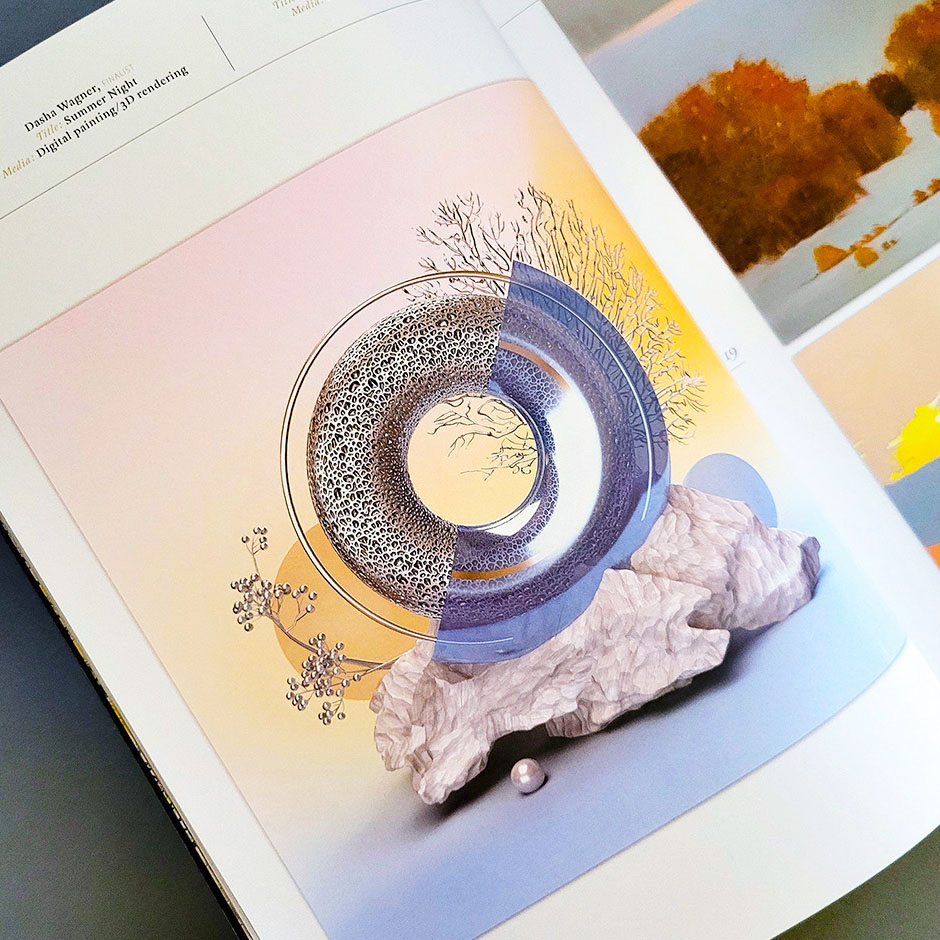
Two artworks created by Dasha Wagner have been featured in the recent issue of the Creative Quarterly magazine. It is one of the most influential publications devoted to contemporary art and design.


The photo on the cover, called “Aqua Memoria”, will be released on Tezos within the next few weeks. The other artwork, called “Summer Night”, will be presented at the NFT-NYC on April 12-14. It’s currently available as 1/1 edition on Rarible marketplace.

Paper Museum In Atlanta

2

You probably will not find much information about this museum in Atlanta guidebooks or travel magazines… The Robert C. Williams Paper Museum (or American Museum You probably will not find much information about this museum in Atlanta guidebooks or travel magazines… The Robert C. Williams Paper Museum (or American Museum of Papermaking) is located at the Georgia Institute of Technology.


Established in 1939, the museum is a unique resource where you may find a lot of interesting information about the history of paper and paper making technologies. This is a must-see place for every artist or graphic designer!

11

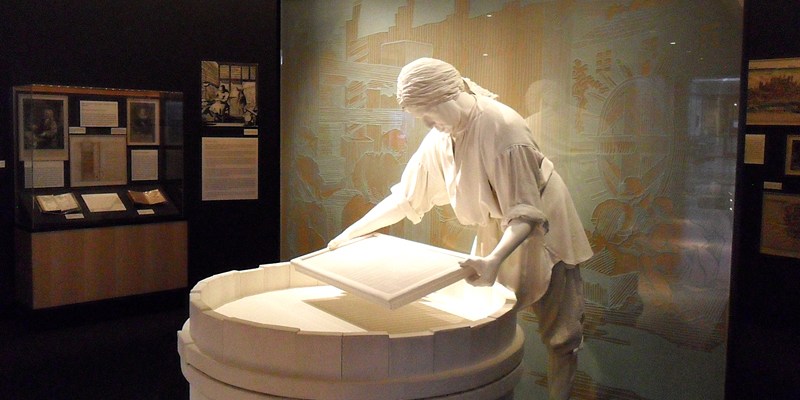
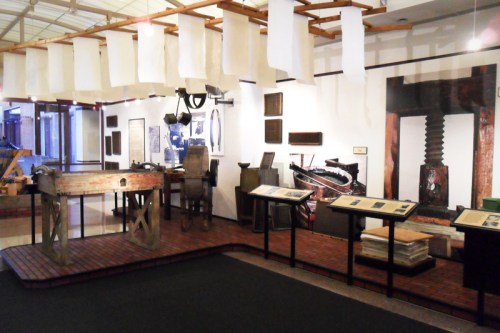
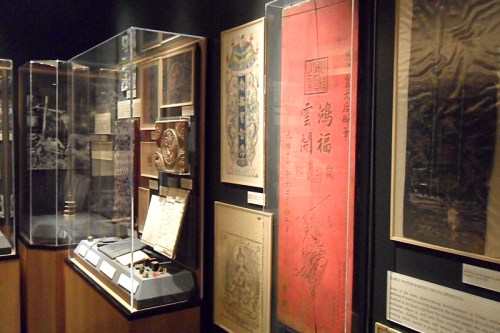
The museum is filled with various artifacts representing the art of papermaking. A remarkable collection of watermarks, papers, tools, machines and manuscripts is truly impressive.

5

Rice paper, abaca paper, bamboo paper… These ancient papermaking technologies have been developed over a thousand years ago.

6

The original museum was created by Dard Hunter (1883 – 1966), who was known for collecting papermaking tools and manuscripts. The photo above shows one of his limited edition books devoted to the history of papermaking.

1

The museum is also a great place to learn something new about the history of printmaking (wood block printing, etching, etc.)

4

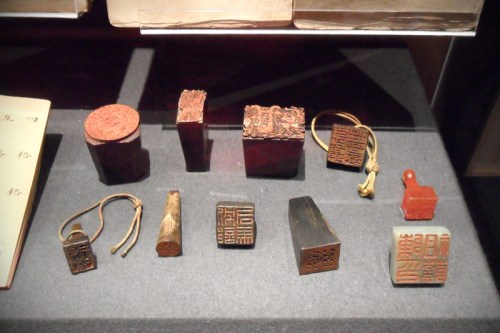
Ancient Chinese seals and stamps.

3

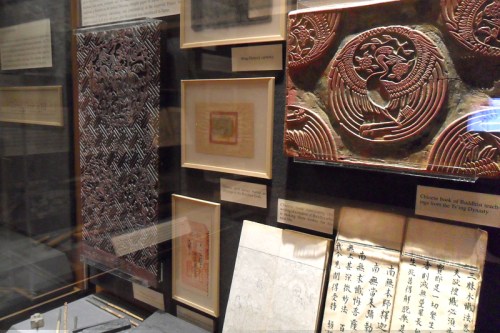
Chinese and Japanese books, paper money and wooden printing plates.

9

The history of watermarks is my favorite part of the exhibition. European papermakers were the first who used them in the early 14th century.

12

The museum’s collection of watermarks consists of over 10,000 pieces. Light and shade watermarks are formed from relief sculptures impressed into the woven wire fabric of the paper mold.

10

Wire watermarks are formed by attaching a wire pattern to the mesh of a paper mold. When the paper slurry is drained of its water, the layer of residual fibers over the raised wire pattern is thinner than the rest of the sheet. When pressed and dried, these thinner areas result in patterns that only show clearly when held up to the light.

8

Hand papermaking artworks created by contemporary artists.

7

Recycling in the paper industry: paper can be recycled only 5 to 8 times before the fibers in the paper become too short and weak to be reused.

The Robert C. Williams Paper Museum website